Full-stack developer with product taste, operational instincts, and a bias toward shipping.
I work across product websites, SaaS flows, dashboards, and workflow tools. The goal is simple: software that looks sharp, earns trust quickly, and still makes sense once real users, billing, and operational edge cases show up.
Inventory intelligence across 419 SKUs, with allocation analysis and stock status built into the view.
Revenue tracking, order recommendations with lead times, and freight and delivery scheduling in one prominent decision surface.
I come from an operations-heavy background, so I naturally care about what happens after launch: whether the workflow is clear, whether the data is useful, and whether the software actually reduces friction instead of adding a nicer layer on top of the same mess.
I build modern web applications with a bias toward clean UX, reliable backend logic, and production-sane decisions. That means thoughtful interfaces, sensible scope, and features that map to a real business need instead of surface-level complexity.
My background spans competitive gaming, entrepreneurship, and operations management. That mix shows up in the work: I care about fast iteration, strong decision support, and products that feel intentional from the first impression through actual day-to-day use.
These are the kinds of builds I want more of: products and internal tools where UX, architecture, and business usefulness all matter. Each one shows a different slice of how I think and what I can own.
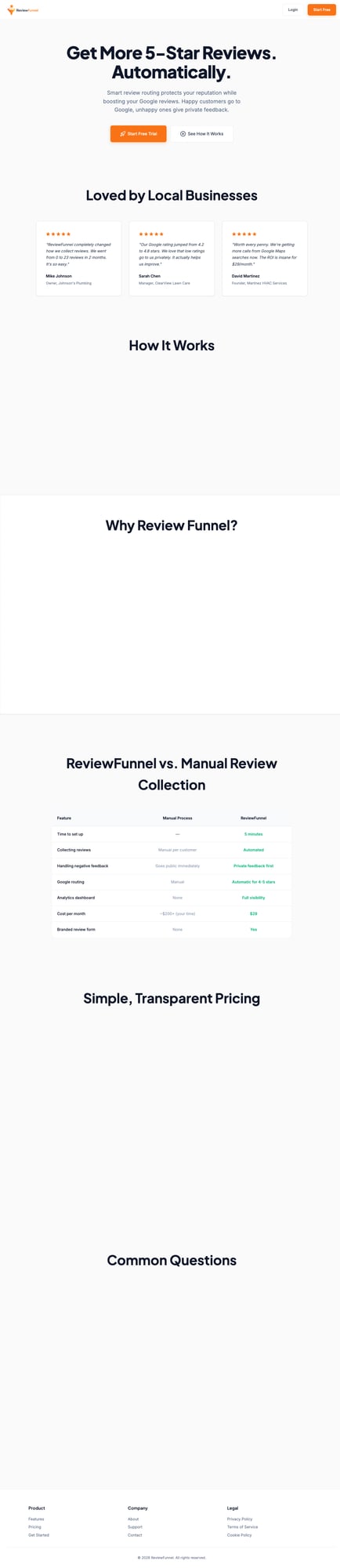
A review management platform that helps businesses collect feedback, route happy customers toward public reviews, and keep service recovery private and organized.
Customer-facing flows, authentication, account structure, Stripe billing, and a product UI designed around actual operator tasks instead of a generic dashboard shell.
This is the best example of my ability to turn a business workflow into a real product with conversion paths, account logic, and production-ready infrastructure.
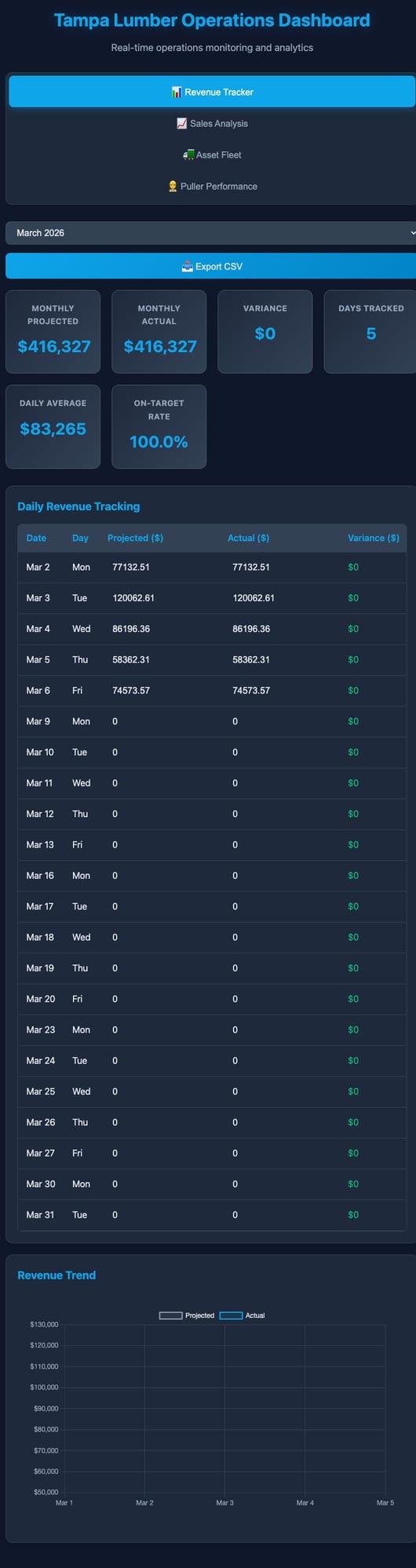
A real-time dashboard built to give operators a cleaner view of revenue tracking, inventory intelligence across 419 SKUs and $1.59M in inventory, stock status with allocation analysis, order recommendations with lead times, freight and delivery scheduling, and the decisions that normally get buried in spreadsheets, tabs, and ad hoc status checks.
Live updates, charting, health summaries, revenue tracking, inventory intelligence, stock status with allocation analysis, an order recommendations engine with lead times, and freight and delivery scheduling designed for fast scanning rather than "pretty analytics" that still require interpretation.
It shows how I think about internal software: the right information, the right defaults, and fewer clicks between noticing a problem and acting on it.
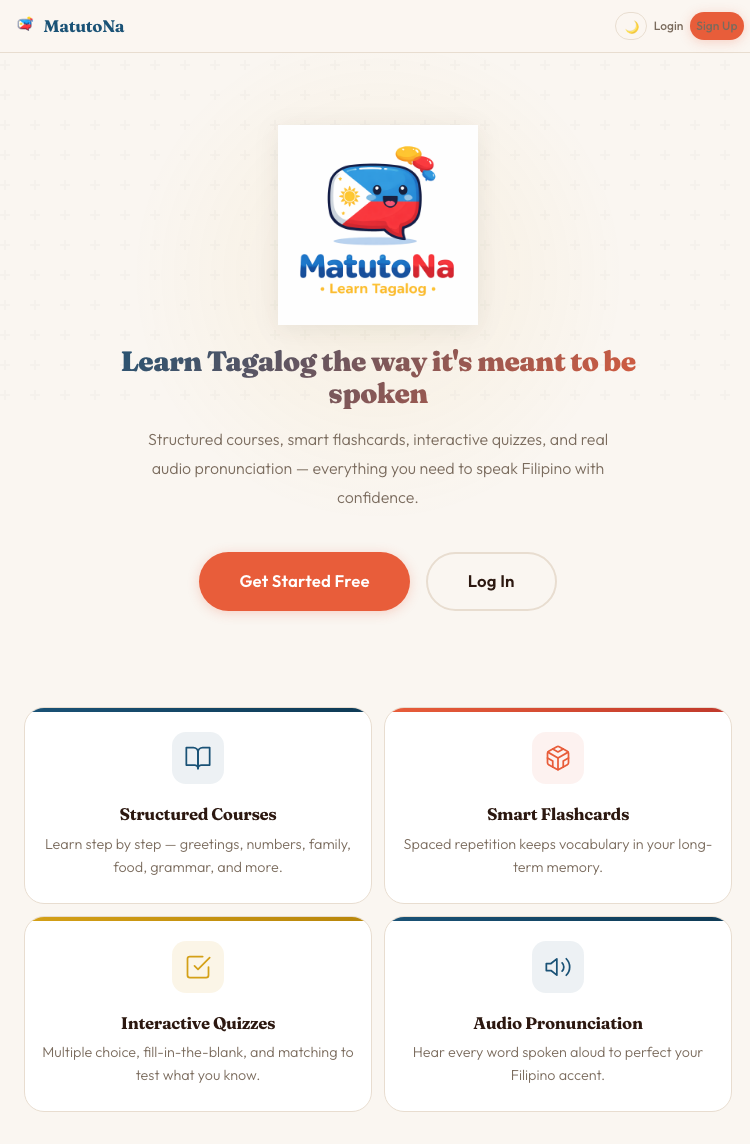
An interactive Tagalog learning platform with guided lessons, account-based progress, and a much friendlier structure than static study materials or bare-bones flashcard tools.
Guided lesson flows, authentication, persistent progress, and a UI that prioritizes momentum and clarity over academic density.
This is a good example of balancing interface feel with application logic. The product works because the structure is approachable, not just because the screens look polished.
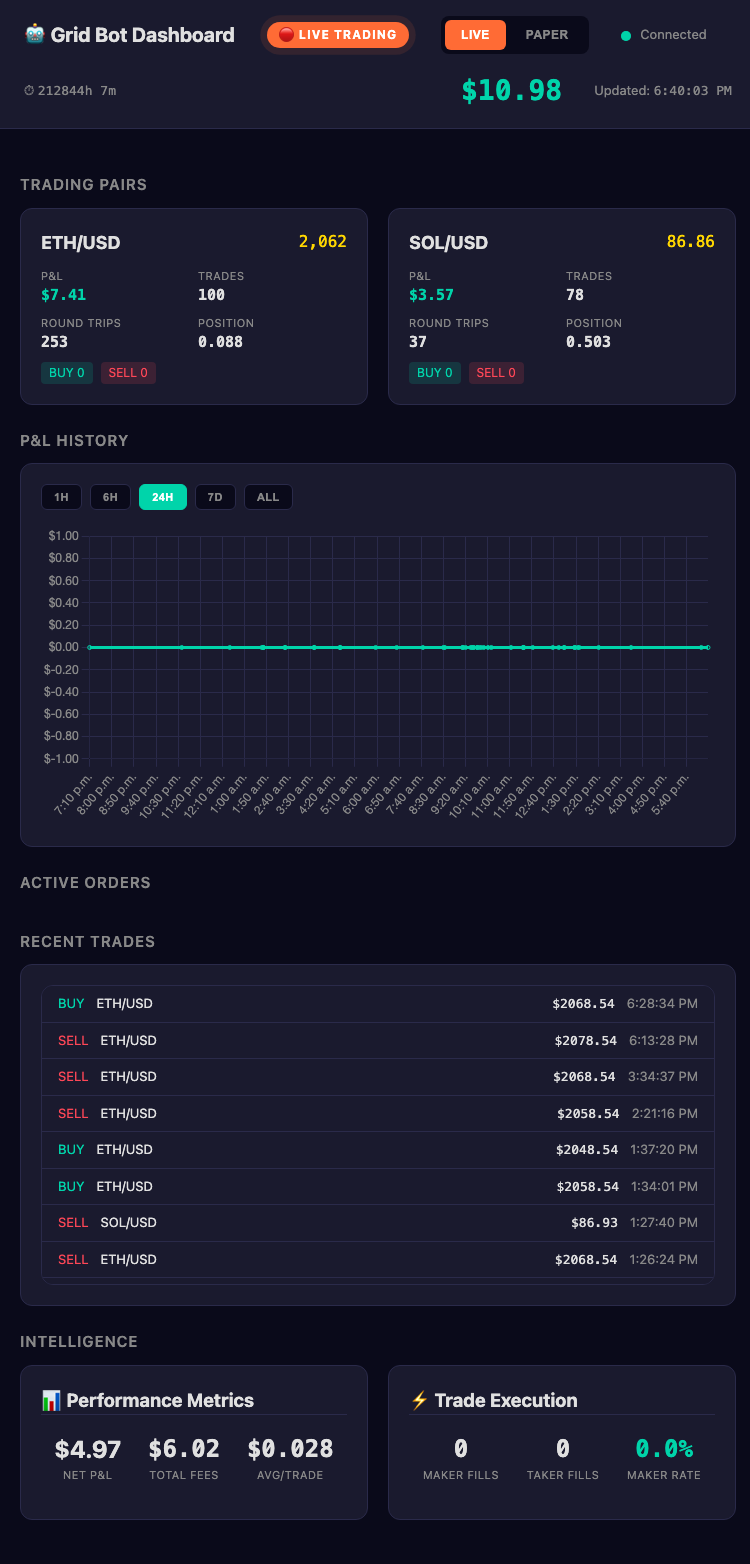
A control and monitoring interface for a crypto trading bot, built around real-time status visibility, live P&L feedback, and safer day-to-day operation.
A real-time dashboard backed by logic improvements around fills, P&L, state handling, and safer operational behavior, not just a thin layer on top of raw bot output.
It demonstrates a useful mix of frontend clarity and backend rigor. In this kind of product, the interface only works if the underlying system behavior is trustworthy.
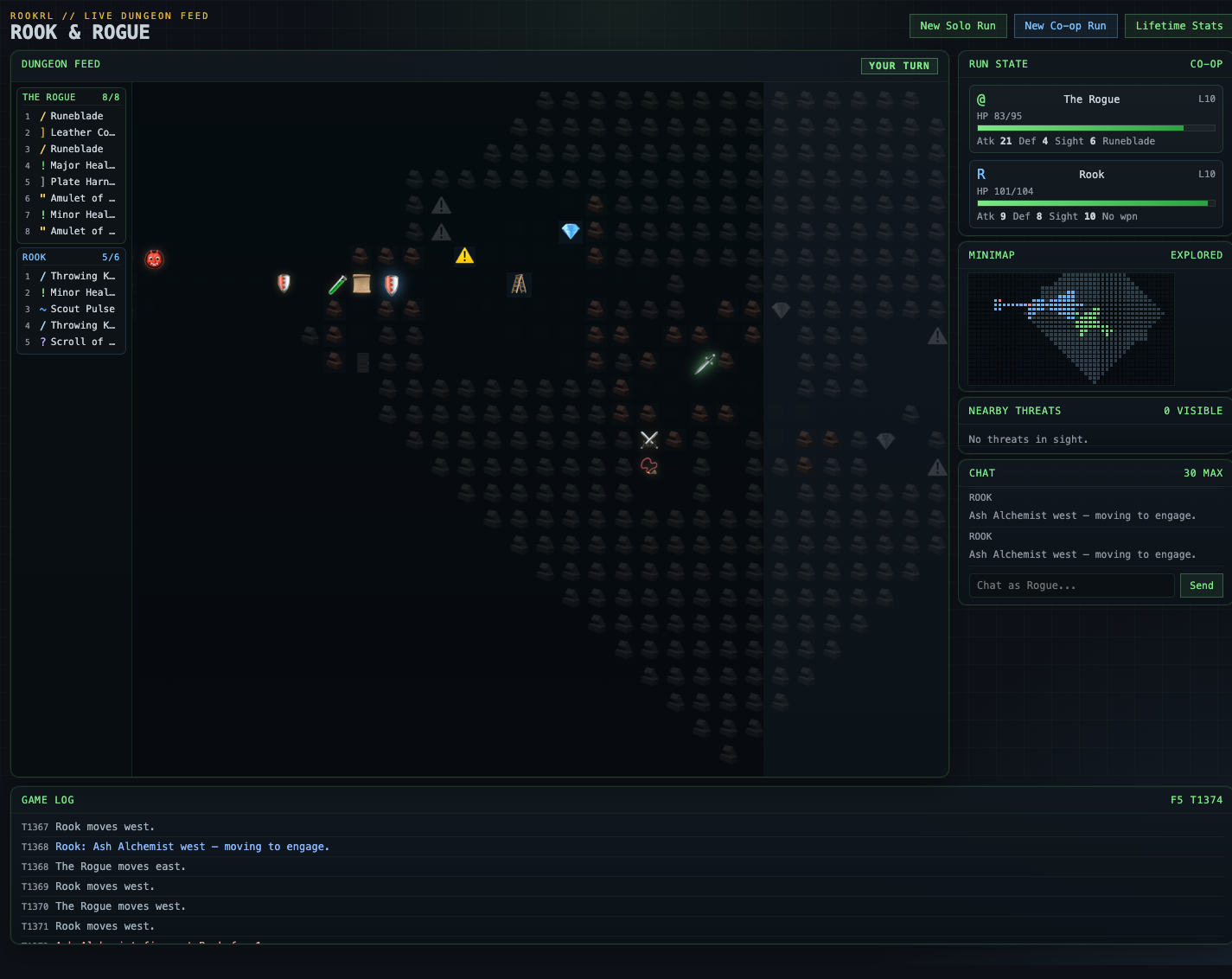
A browser-based roguelike dungeon crawler with procedural generation, turn-based combat, fog of war, and an asymmetric co-op mode where a human player and an AI companion explore dungeons together.
Procedural dungeon generation, turn-based combat with fog of war, an SSE-powered live game feed, inventory and equipment systems, and a co-op mode with AI-driven tactical support.
This project demonstrates comfort with complex state, real-time event systems, and creative problem-solving outside typical CRUD patterns. Zero external dependencies — custom mini-Express server included.
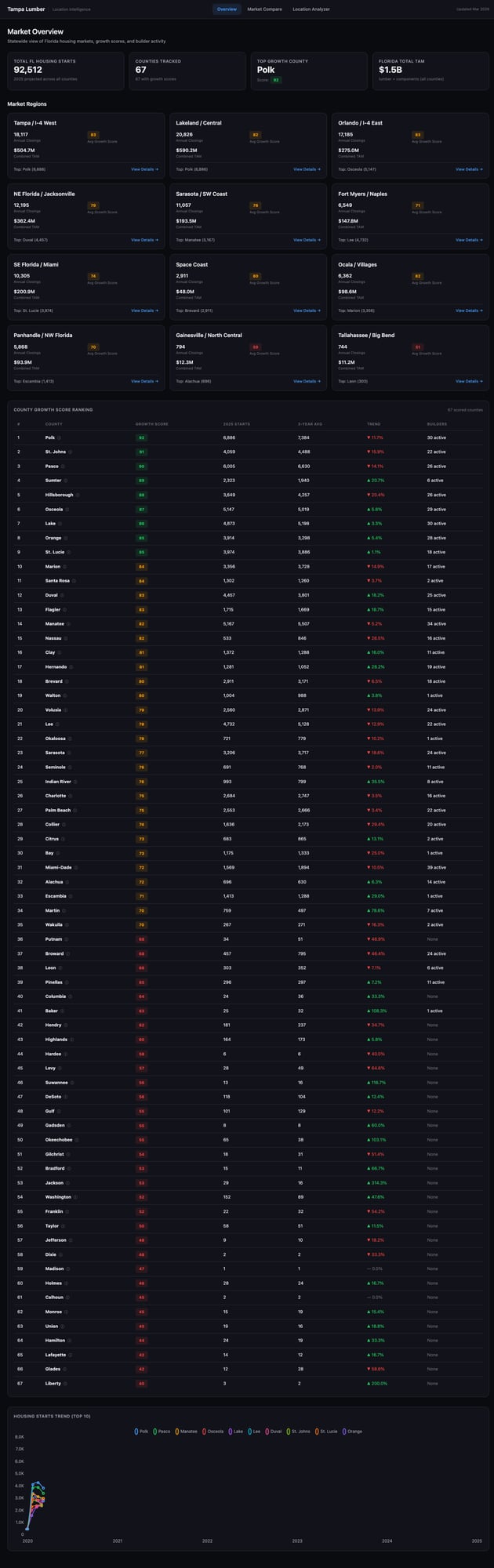
A market analysis dashboard for a lumber company, visualizing Florida housing starts, county growth scores, builder activity, and regional trends to support expansion decisions.
County-level growth scoring, regional market cards, builder tracking, housing starts trend charts, a market comparison tool, and an interactive location analyzer with revenue projections.
This is real decision-support software built for a specific business problem. It shows how I think about turning messy data into clear, scannable insights that operators can actually act on.
If you know there is a product or workflow problem to solve and need someone who can shape, build, and finish it without a lot of ceremony, that is the lane I like most. I can tighten scope, make product calls, and get something credible into the world.
Marketing and product pages that feel credible, intentional, and aligned with the software behind them.
End-to-end web applications with frontend UX, backend logic, auth, data modeling, and deployment handled cleanly.
Operator-focused software that reduces manual work and makes the right information easier to act on.
Billing, user accounts, admin flows, and the infrastructure details that make a product feel legit.
The best inquiries are short and concrete: what you are building, what stage it is in, what feels off or blocked, and what kind of help you want. I can usually tell quickly whether I am the right fit and what the next move should be.
Open to freelance work, contract builds, and product-focused collaborations. Email is the fastest path.
Founder-led software, internal tooling, or product marketing work that needs sharper UX, cleaner execution, or someone who can bridge the gap between idea and production.
Freelance builds, product-focused contract work, design and UX improvement passes, and selective ongoing help for active products that need a stronger operator-builder mindset.